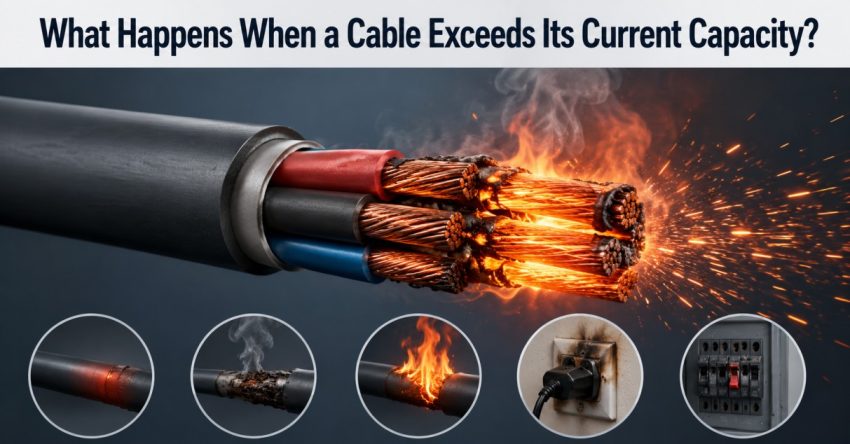
Cable current carrying capacity is one of the key factors in designing electrical systems. It denotes the maximum capacity of electrical current that a cable can safely conduct without overheating above its permissible temperatures. Even though the size of the cable, material used for the conductor and the type of insulation used are key factors…
How Protection Relay Coordination Studies Reduce Equipment Damage and Downtime
Power systems are an essential component in any industrial plant, commercial building, utility, or civil engineering project. A problem in any of the mentioned electrical systems would result in damage to equipment, loss of productivity, accidents, and increased cost of doing business. To reduce these possibilities, companies make use of protection relay coordination studies. The…
Using Root Cause Studies to Strengthen Risk Management Strategies
In modern organizations, there are various forms of risks that need to be addressed to ensure continuous operation in the future. Among these risks are operational problems, accidents, issues related to product or service quality, lack of adherence to policies and procedures, among others. Although some organizations try to resolve their problems in a way…
Reducing Critical System Failures through Fault Tree Analysis
Modern-day businesses require complex systems in order to be productive, safe and efficient in their operations. The failure of such systems may lead to high costs of downtimes, safety problems and operational challenges. With organizations aiming to make their systems more reliable and less risky, fault tree analysis is a vital tool in their arsenal…
Understanding Safety Standards through an Arc Flash Study
In industrial facilities, commercial buildings and manufacturing plants, electrical systems are crucial to them working. These systems are used for everyday purposes, but with a lack of maintenance and monitoring, these systems can pose some risks. An arc flash is one of the worst electrical dangers, and it can cause serious injury, equipment damage and…
How Climate Conditions Affect Power System Studies Outcomes
Power systems are engineered to work efficiently in a variety of environmental circumstances. But, the effects of climatic variables such as temperature, humidity, and high winds can have an impact on the efficiency of these systems. It is for this reason that the integration of climatic elements in the study of power systems engineering cannot…
Predictive Analytics and Its Impact on the Future of Root Cause Studies
With the increasing amount of data in this day and age, companies are not only looking to deal with issues but rather to identify potential risks in order to be able to mitigate them beforehand. This change has resulted in the emergence of predictive analytics which will completely revolutionize root cause analysis and set the…
Integrating Arc Flash Study Findings into Electrical Safety Programs
Electrical safety is a critical concern for industries that rely on complex power systems. One of the most effective ways to enhance safety is by incorporating insights from an Arc Flash Study into a comprehensive electrical safety program. These studies provide valuable data that can help organizations minimize risks, protect employees, and ensure compliance with…
Fault Tree Analysis for Reducing Downtime in Operations
In every business, any downtime in the operations may cause delays, loss of money, and inefficiencies. No matter whether it is a manufacturing facility, power plant, or a service-based operation, a small glitch would interfere with the whole process. This is where fault tree analysis comes in handy. It assists the organizations to determine the…
What Most Businesses Miss During an Electrical Risk Assessment
Electrical risk assessment is one of the important steps towards ensuring the safety and efficiency of operations in the workplace. To satisfy the minimum requirements, many businesses are carrying out such assessments and in the process, they are overlooking some critical details that can cause serious problems in the future. A comprehensive strategy is not…