Industrial systems very seldom fail only due to one obvious problem. There are a number of reasons a production line could stop, such as electrical failure, part failure, control failure, or a combination of many smaller problems. That’s where fault tree analysis is useful, before these connections lead to downtime. It provides engineers with a…

Category: Fault Tree Analysis
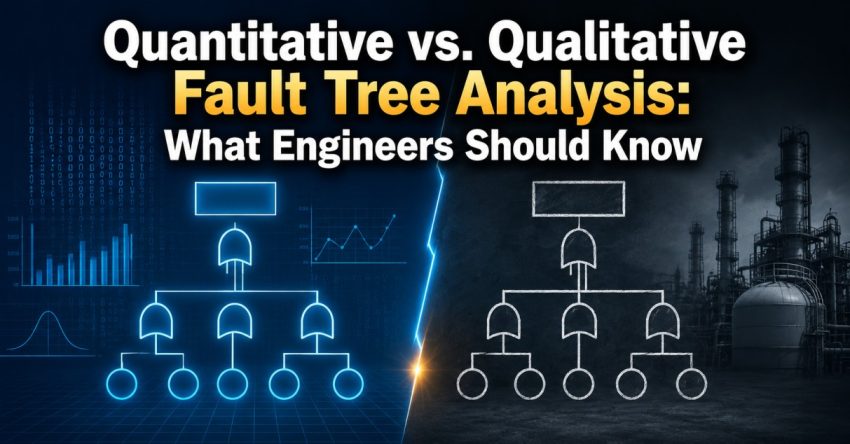
Quantitative vs. Qualitative Fault Tree Analysis: What Engineers Should Know
In engineering, those working on electrical, mechanical, aerospace, automotive, and industrial systems should comprehend the potential of the system to fail and the impact of this failure on the performance of the entire system. Fault Tree Analysis is an organized process for reliability and safety evaluation that helps in finding out the possible causes of…
Fault Tree Analysis in Aerospace, Automotive & Manufacturing
The modern industries depend on very complicated systems, in which any failure may result in losses of money, threats for safety and appearance of defective products. In order to minimize these risks, specialists apply the appropriate tools to detect any failure possibility and prevent it from developing further. Among those, Fault Tree Analysis (FTA) proves…
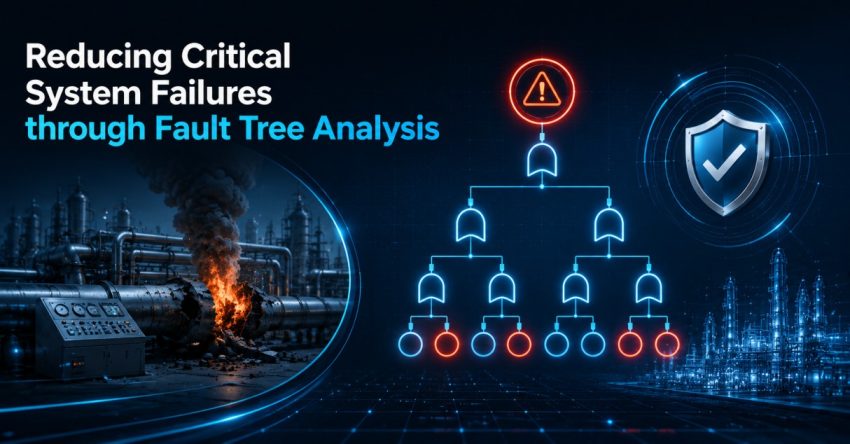
Reducing Critical System Failures through Fault Tree Analysis
Modern-day businesses require complex systems in order to be productive, safe and efficient in their operations. The failure of such systems may lead to high costs of downtimes, safety problems and operational challenges. With organizations aiming to make their systems more reliable and less risky, fault tree analysis is a vital tool in their arsenal…
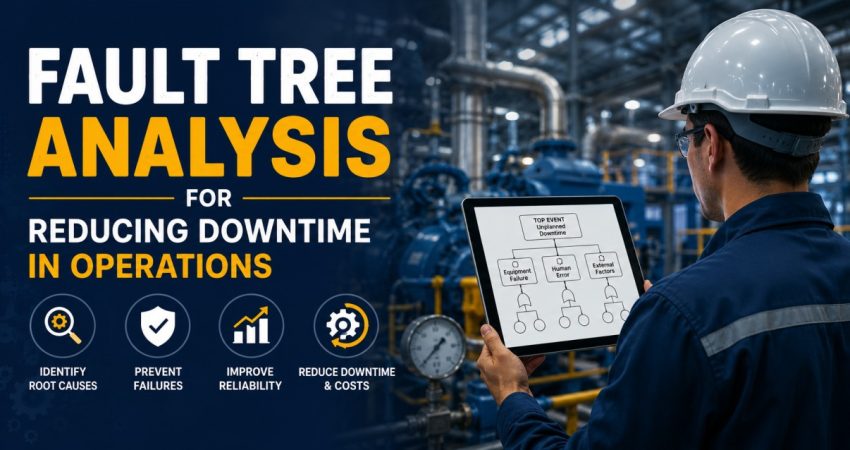
Fault Tree Analysis for Reducing Downtime in Operations
In every business, any downtime in the operations may cause delays, loss of money, and inefficiencies. No matter whether it is a manufacturing facility, power plant, or a service-based operation, a small glitch would interfere with the whole process. This is where fault tree analysis comes in handy. It assists the organizations to determine the…
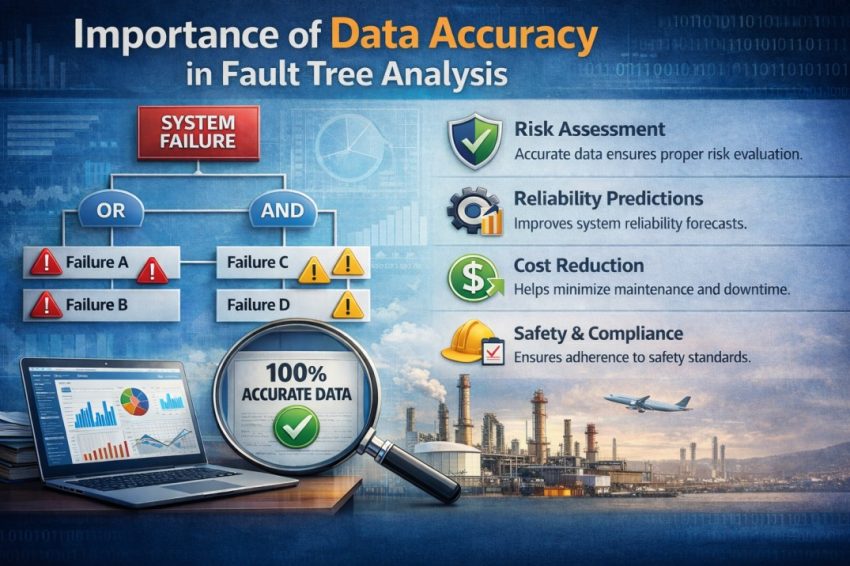
Importance of Data Accuracy in Fault Tree Analysis
To be safe and efficient, it is crucial to determine the possible failures in any system or process. It is here that the fault tree analysis comes in handy. It assists in breaking down the complex systems in order to realize the underlying causes of failures. Nevertheless, there is one major factor that determines the effectiveness…
The Importance of Fault Tree Analysis in Aerospace Risk Management
Aerospace industry is one of the complex and high-risk environments in the world. Aircraft systems are complicated and consist of thousands of components which need to operate accurately to have safe operations. A minor failure can have a severe repercussion, and this is the reason why risk management is an important aspect of aerospace engineering…
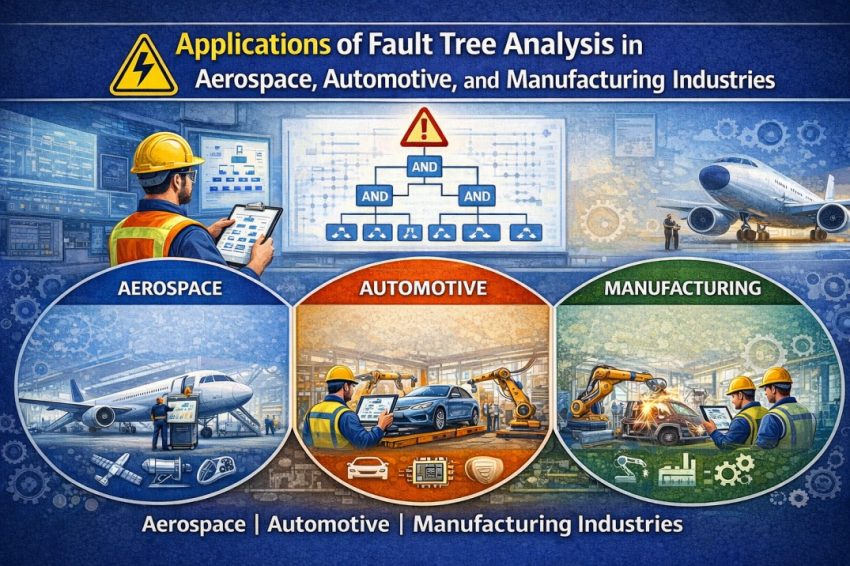
Applications of Fault Tree Analysis in Aerospace, Automotive, and Manufacturing Industries
Modern industries rely heavily on advanced systems and complex technologies, making safety and reliability critical operational priorities. Fault Tree Analysis is a structured and systematic technique used to identify potential failures within systems and evaluate the causes behind them. By breaking down failures into smaller contributing factors, industries can develop preventive strategies, improve system performance, and…
Regulatory Importance of Fault Tree Analysis in High-Risk Industries
The Fault Tree Analysis (FTA) has taken a centre stage in the safety preparation and risk management in the industries where a single failure can cause extreme effects. Safety concerns apply to high-risk industries like aviation, nuclear energy, defense and oil and gas. These standards necessitate organisations to determine these areas of failure, their likelihood, and…
Understanding the Basics of Fault Tree Analysis in Risk Management
When reliability, risk control, and safety are critical in industries, the knowledge of the possible failures of the system is among the primary concerns. From manufacturing to aviation, all processes have numerous interconnected parts, which may fail in many ways. Professionals use a technique called fault tree analysis to assess these failures on a systematic…