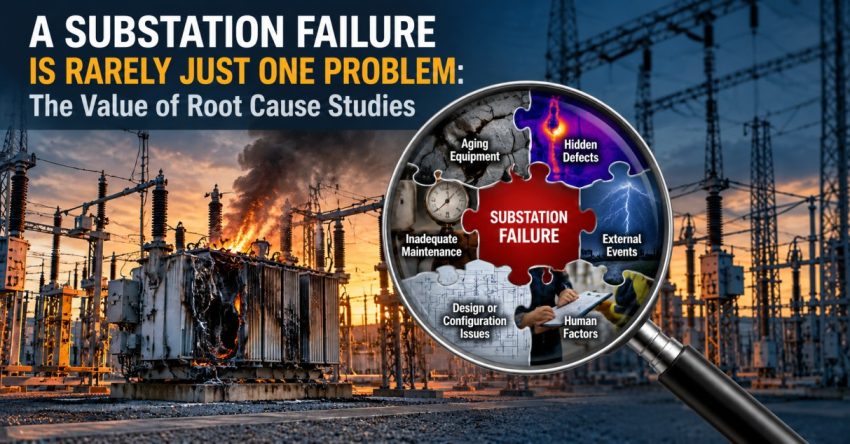
From the outside, a substation failure might seem simple: a breaker trips, a transformer is tripped, or a feeder suddenly goes off-line. But, the obvious problem is frequently a culmination of multiple conditions. All of the above can be involved in the same event. That’s where root cause studies come in handy. They do not just…
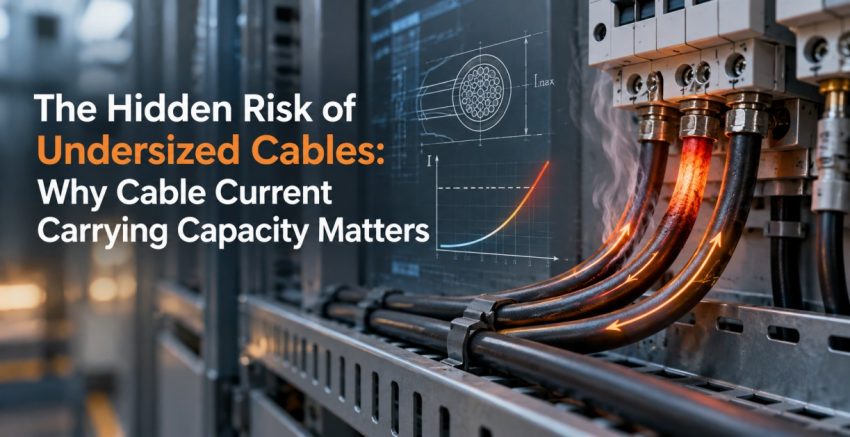
The Hidden Risk of Undersized Cables: Why Cable Current Carrying Capacity Matters
While an electrical cable may appear to be a simple component, it can have a significant effect on the safety and reliability of an entire electrical system. The decision to use a cable because of its appearance or simple load capacity can lead to issues that may not become apparent until it is put under…
Fault Tree Analysis for Industrial Reliability: Finding Weak Links before They Break
Industrial systems very seldom fail only due to one obvious problem. There are a number of reasons a production line could stop, such as electrical failure, part failure, control failure, or a combination of many smaller problems. That’s where fault tree analysis is useful, before these connections lead to downtime. It provides engineers with a…
A Safer Facility Starts With Questions: What Does Your Electrical Risk Assessment Ask?
From manufacturing plants to commercial buildings, from data centers to industrial sites, electrical systems are pivotal to almost any facility that is built in modern times. However, hazards may lie behind the reliable power distribution and be hard to spot in normal operation. Overloaded circuits, aging equipment, lack of protection and unexpected fault conditions can…
When Electricity Turns Fatal: Understanding Risk Through an Arc Flash Study
Most modern buildings are dependent on electric power, but systems that are running smoothly are very hazardous if there is a fault. In just a few seconds, an arc flash can generate extremely high pressure, light, heat and molten metal, posing a potential danger to workers around electrical equipment. It’s essential to know where and…
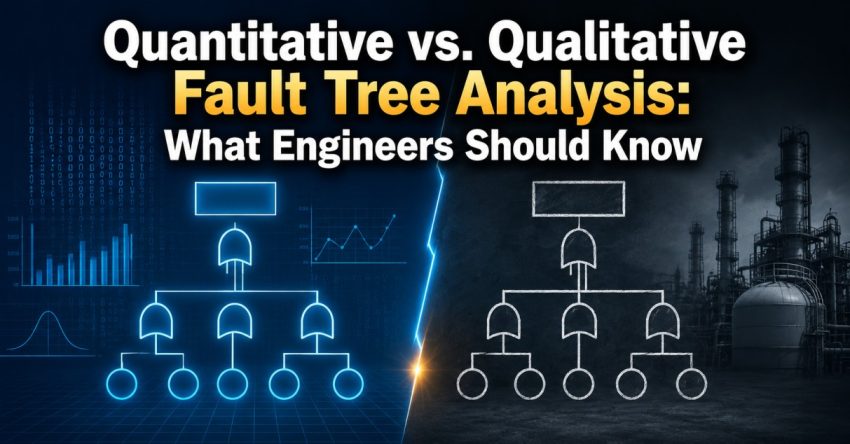
Quantitative vs. Qualitative Fault Tree Analysis: What Engineers Should Know
In engineering, those working on electrical, mechanical, aerospace, automotive, and industrial systems should comprehend the potential of the system to fail and the impact of this failure on the performance of the entire system. Fault Tree Analysis is an organized process for reliability and safety evaluation that helps in finding out the possible causes of…
Arc Flash Study for Industrial Plants: What Facility Managers Should Know
Industrial facilities require advanced electrical systems to keep up with their constant manufacturing operations. The entire system from transformers to switchgear to motors to distribution boards needs to be functioning in a reliable manner. However, the failure of the electrical system may cause immense heat, pressure, and energy which are very dangerous for both personnel…
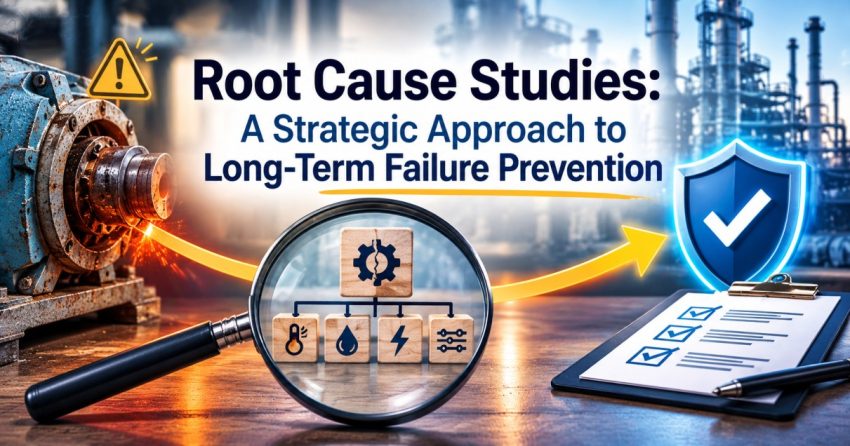
Root Cause Studies: A Strategic Approach to Long-Term Failure Prevention
Technical malfunctions, disruptions to operations, and frequent technical problems could influence productivity, safety, and performance of an organization. Although a quick fix would allow the organization to resume its activity, sometimes it does not solve the very cause of the problem. A more efficient solution would be to determine the reason for such a technical…
The Role of Electrical Engineering Services in Modern Industrial Projects
Today’s modern industries need an efficient and safe electrical system that will ensure smooth operations. In modern manufacturing plants, commercial premises, infrastructure projects, and energy projects, electrical power is involved in almost all crucial activities. With the growing complexity of industrial systems, Electrical Engineering Services have come to be essential in such processes. Understanding the Importance…
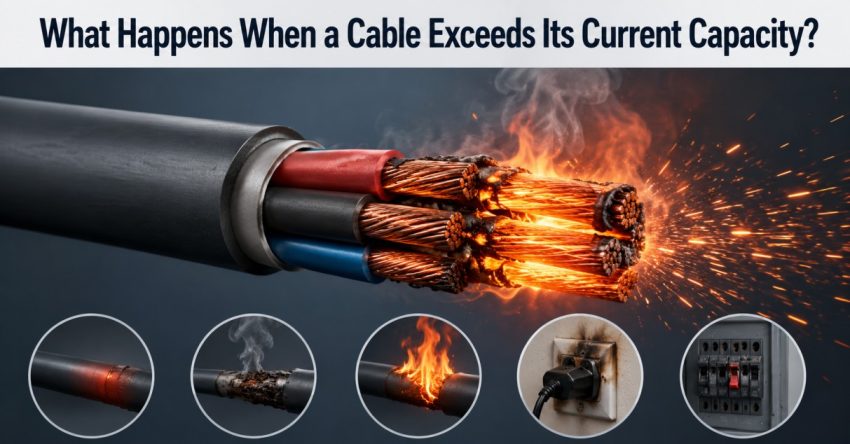
What Happens When a Cable Exceeds Its Current Capacity?
Electric cables are engineered to transmit a particular quantity of electric currents without complications while under normal conditions. The value at which a particular electric cable can operate at without any difficulty is called the cable current carrying capacity or ampacity of the cable and is determined by several factors like the size of conductors used,…