In engineering, those working on electrical, mechanical, aerospace, automotive, and industrial systems should comprehend the potential of the system to fail and the impact of this failure on the performance of the entire system. Fault Tree Analysis is an organized process for reliability and safety evaluation that helps in finding out the possible causes of…
Arc Flash Study for Industrial Plants: What Facility Managers Should Know
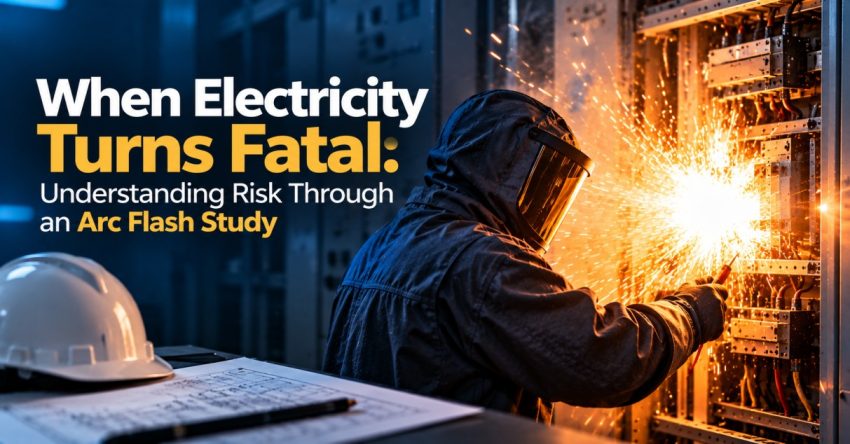
Industrial facilities require advanced electrical systems to keep up with their constant manufacturing operations. The entire system from transformers to switchgear to motors to distribution boards needs to be functioning in a reliable manner. However, the failure of the electrical system may cause immense heat, pressure, and energy which are very dangerous for both personnel…
Root Cause Studies: A Strategic Approach to Long-Term Failure Prevention
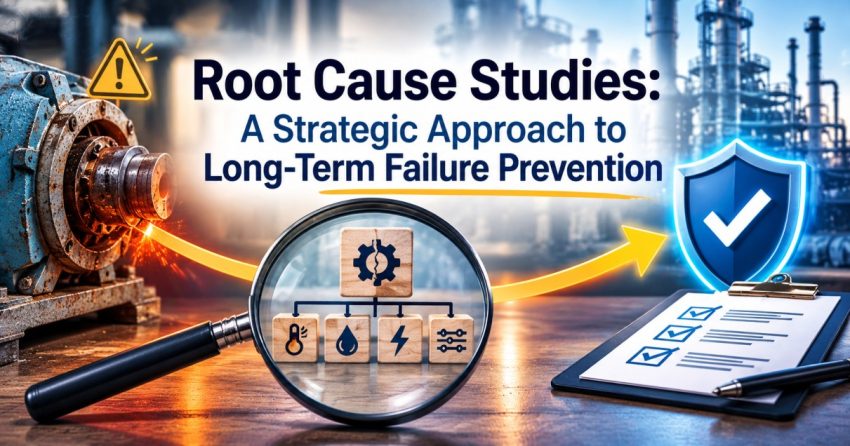
Technical malfunctions, disruptions to operations, and frequent technical problems could influence productivity, safety, and performance of an organization. Although a quick fix would allow the organization to resume its activity, sometimes it does not solve the very cause of the problem. A more efficient solution would be to determine the reason for such a technical…
The Role of Electrical Engineering Services in Modern Industrial Projects
Today’s modern industries need an efficient and safe electrical system that will ensure smooth operations. In modern manufacturing plants, commercial premises, infrastructure projects, and energy projects, electrical power is involved in almost all crucial activities. With the growing complexity of industrial systems, Electrical Engineering Services have come to be essential in such processes. Understanding the Importance…
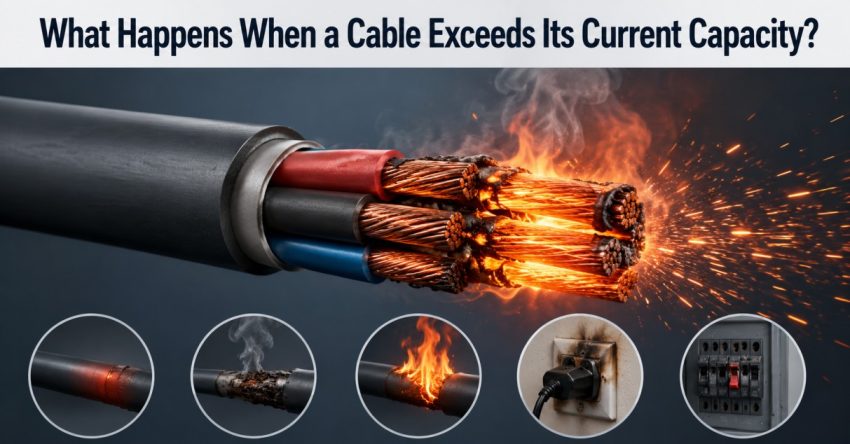
What Happens When a Cable Exceeds Its Current Capacity?
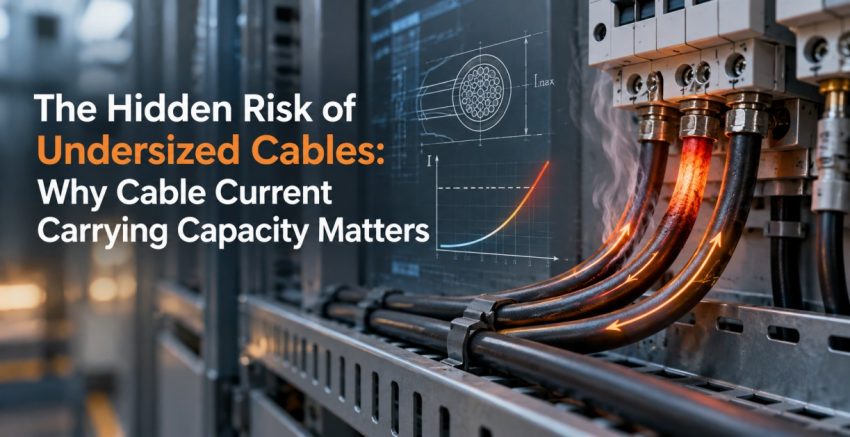
Electric cables are engineered to transmit a particular quantity of electric currents without complications while under normal conditions. The value at which a particular electric cable can operate at without any difficulty is called the cable current carrying capacity or ampacity of the cable and is determined by several factors like the size of conductors used,…
Arc Flash Study vs. Short Circuit Study: Key Differences
Power systems have been designed to function safely and effectively even when subjected to various environments. Unfortunately, the occurrence of some faults like equipment malfunctioning, insulation damage, or inadvertent contact may expose the personnel and systems to dangerous scenarios. Some of the analyses that are very critical in enhancing the safety of an electrical system…
Fault Tree Analysis in Aerospace, Automotive & Manufacturing
The modern industries depend on very complicated systems, in which any failure may result in losses of money, threats for safety and appearance of defective products. In order to minimize these risks, specialists apply the appropriate tools to detect any failure possibility and prevent it from developing further. Among those, Fault Tree Analysis (FTA) proves…
Why Root Cause Studies Matter More Than Quick Repairs
In case when the equipment breaks down, the systems fail, or operational problems emerge, the primary solution that people come up with tends to be fixing the obvious problem immediately. Despite the fact that such repairs can resolve the problem on the spot and bring back the normal operation of the facility, they do not…
Power Distribution Engineering Design for High-Density Urban Loads
With the increase in urbanization, there is an urgent need for reliable and effective electricity. Modern cities have residential high-rises, office buildings, IT centers, hospitals, transport networks, and many other establishments that need constant power supply. Meeting these growing demands requires careful power distribution engineering design that ensures safety, efficiency, and long-term reliability. High-Density Urban Power…
The Impact of Installation Conditions on Cable Current Carrying Capacity
Cable current carrying capacity is one of the key factors in designing electrical systems. It denotes the maximum capacity of electrical current that a cable can safely conduct without overheating above its permissible temperatures. Even though the size of the cable, material used for the conductor and the type of insulation used are key factors…