In the modern energy environment, reducing transmission and distribution (T&D) losses is a top priority for both utilities and industries. These losses do not only affect the efficiency of operations, but also increase the costs and lower the total power supply. Comprehensive Power System Studies are one of the most efficient means to manage this…
How Root Cause Studies Help Prevent Recurring Problems
In any organization, recurring problems can disrupt operations, reduce efficiency, and increase costs. While quick fixes may provide temporary relief, they often fail to address the underlying issue. This is where Root Cause Studies become essential. By identifying and addressing the fundamental reason behind a problem, businesses can implement long-term solutions and avoid repeated setbacks. Understanding…
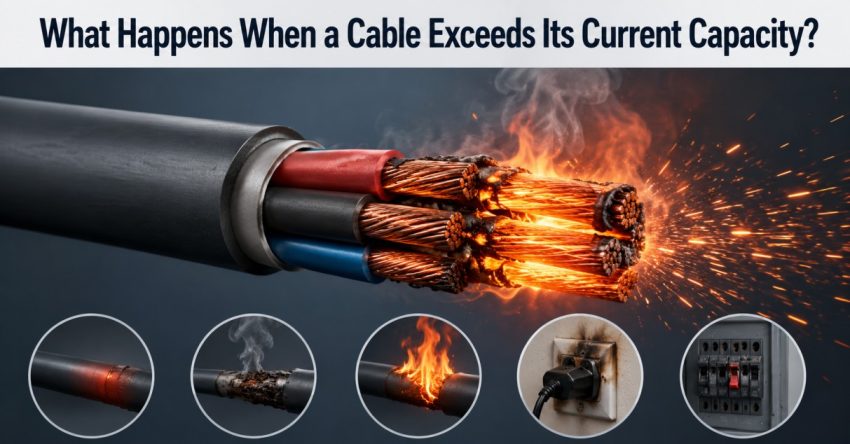
How Overloading Affects Cable Current Carrying Capacity and Safety
In any electrical system, understanding the limits of a cable is essential for ensuring both performance and safety. One of the most critical factors to consider is the Cable Current Carrying Capacity, which refers to the maximum amount of electrical current a cable can safely handle without overheating. When this limit is exceeded, it leads…
Importance of Data Accuracy in Fault Tree Analysis
To be safe and efficient, it is crucial to determine the possible failures in any system or process. It is here that the fault tree analysis comes in handy. It assists in breaking down the complex systems in order to realize the underlying causes of failures. Nevertheless, there is one major factor that determines the effectiveness…
Arc Flash Study: Turning Electrical Data into Life-Saving Insights
Any industrial or commercial establishment is essential with electrical systems. Although they assist in the operation power, there are some dangers associated with them when they are not well managed. An arc flash (an unplanned burst of electricity) is one of the gravest dangers and is one of the dangers that an electric fault can…
The Importance of Fault Tree Analysis in Aerospace Risk Management
Aerospace industry is one of the complex and high-risk environments in the world. Aircraft systems are complicated and consist of thousands of components which need to operate accurately to have safe operations. A minor failure can have a severe repercussion, and this is the reason why risk management is an important aspect of aerospace engineering…
The Importance of Data Collection in Successful Root Cause Studies
In today’s competitive and highly regulated business environment, identifying the true source of problems is essential for long-term success. Organizations across industries rely on Root Cause Studies to uncover underlying issues rather than simply addressing surface-level symptoms. However, the effectiveness of these studies depends heavily on one critical factor: accurate and comprehensive data collection. Without reliable…
How Reliability Studies Help Prevent Unplanned Power Interruptions
Power cuts are unplanned events that may affect operations, destroy equipment, and impose serious safety hazards. Even when power outage is not permanent like in industries where the power supply is vital, any level of interruption in power supply can lead to loss of production, data corruption, or service interruption. Reliability Studies aid organizations in…
Why Short-Circuit Data Accuracy Determines Arc Flash Study Reliability
The risk of arc flash is directly proportional to the fault current availed in an electrical system. When the data of short-circuit considered in the analysis is faulty, the ultimate results will be inaccurate. It may result in the use of incorrect safety labels, PPE suggestions, and unsafe working conditions. Accurate arc flash study relies…
Applications of Fault Tree Analysis in Aerospace, Automotive, and Manufacturing Industries
Modern industries rely heavily on advanced systems and complex technologies, making safety and reliability critical operational priorities. Fault Tree Analysis is a structured and systematic technique used to identify potential failures within systems and evaluate the causes behind them. By breaking down failures into smaller contributing factors, industries can develop preventive strategies, improve system performance, and…