
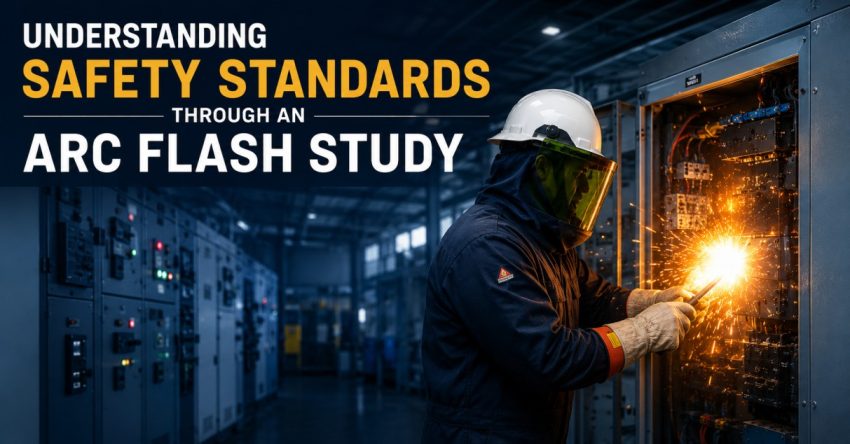
In industrial facilities, commercial buildings and manufacturing plants, electrical systems are crucial to them working. These systems are used for everyday purposes, but with a lack of maintenance and monitoring, these systems can pose some risks. An arc flash is one of the worst electrical dangers, and it can cause serious injury, equipment damage and expensive downtime. An arc flash study is used to identify and reduce these risks.
An arc flash study not only helps increase workplace safety but is also essential to the understanding and compliance of key electrical safety standards. The study is an assessment of the potential hazards and suggests protective measures; the assessment fosters a safer workplace and effective risk management.
What is an Arc Flash Study?
An arc flash study is a comprehensive study of an electrical system to determine the level of energy which could be released in the event of an arc. The study is a detailed analysis on the equipment, fault currents, protective devices and system configurations. It assesses all the minor and major risks of various electrical installations.
The results can guide to setting safe working distances, specifying PPE requirements and developing safer maintenance practices. These are used to ensure compliance with electrical safety standards.
Why Safety Standards Matter
Electrical safety standards are created to safeguard the personnel from the hazards involved in electrical systems. They offer rules of operation, maintenance, hazard identification and worker protection.
An arc flash study can assist an organization in matching the safety program to these standards by giving them the information they need about what could be a problem. Companies are not making guesswork in decisions; rather they are using actual system data and hazard assessments.
Identifying Potential Electrical Hazards
A major goal of an Arc Flash Study is to identify hazards. Equipment replacement, additions, or changes may require the electrical system to be changed. This may impact the level of fault current and performance of the system.
An arc flash study provides clarity into the locations of potential hazards in an organization’s premises. This information can be used to help safety teams take preventative action before incidents happen.
Supporting Proper PPE Selection
Safety requirements stress the need for correct protective equipment to be supplied to workers. Choosing PPE without real knowledge of the level of hazard, however, can be ineffective.
Incident energy is determined by an arc flash study for various electrical equipment. These calculations are used to calculate the type of PPE needed for certain tasks. Thus, the workers are protected in proportion to the hazard they might be exposed to during their work.
Improving Equipment Labeling
Labeling of equipment is an important part of many electrical safety programs that must be clear and accurate. Labels are important pieces of information that tell you about arc flash hazards and important safety precautions to take.
A typical arc flash study will lead to the installation of Arc Flash Hazard Labels on electrical panels, switchgear and other equipment. These labels are used to communicate risks and safety practices to workers and allow them to start work safely.
Improve Workplace Safety Practices
Safety does not just apply to equipment and PPE. They also pay attention to safe working procedures to minimize the risk of accident.
An Arc Flash Study can give you some very useful information that can be added to the employee training, maintenance and risk assessment. This helps to build a more safety-focused culture and overall consciousness within the workplace.
Conclusion
Knowing and following the electrical safety rules is crucial to keeping workers safe and ensuring operations run smoothly. An arc flash study is an excellent resource to help identify hazards, assist in determining the proper PPE, enhance equipment markings, and improve safety at the workplace. An Arc Flash Study offers valuable insight into the potential risks of the electrical system helping organizations to make their environment safer and also helping them meet the required safety standards.
Also Read: How Climate Conditions Affect Power System Studies Outcomes