
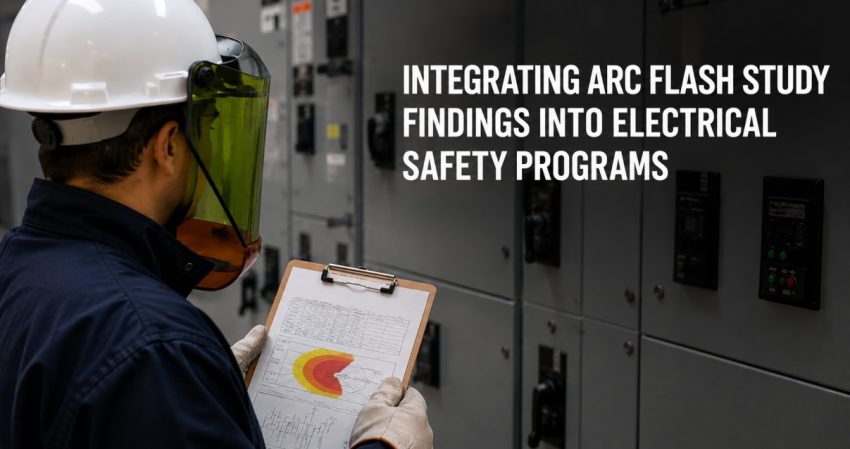
Electrical safety is a critical concern for industries that rely on complex power systems. One of the most effective ways to enhance safety is by incorporating insights from an Arc Flash Study into a comprehensive electrical safety program. These studies provide valuable data that can help organizations minimize risks, protect employees, and ensure compliance with safety standards.
Understanding the Importance of Arc Flash Risks
An Arc Flash is a dangerous electrical event that can result in severe injuries, equipment damage, and even fatalities. It occurs when an electrical current deviates from its intended path, creating a high-energy explosion. Conducting an Arc Flash Study helps organizations identify potential hazards, determine incident energy levels, and define safe working distances.
However, simply conducting the study is not enough. The real value lies in effectively integrating its findings into everyday safety practices.
Translating Study Results into Actionable Safety Measures
Integration starts with finding ways to translate findings into safety protocols for workers. Typically, Arc Flash Studies offer information on arc flash boundaries, personal protective equipment needed, and fault currents among others. Such findings need to be incorporated into safety protocols that are easy to understand and implement.
For instance, electrical panels may have stickers that give instructions on the personal protection equipment needed. The application of such findings promotes safety by making sure that workers are fully informed about any potential hazards.
Updating Safety Policies and Procedures
To gain maximum benefits from the study, companies need to change safety policies to reflect the study’s recommendations. For example, a company may need to update procedures on locking out or tagging electrical equipment during maintenance activities.
This would ensure that the safety system is well structured, especially when changes occur in the company’s electrical equipment or systems.
Employee Training and Awareness
For any safety program to work efficiently, employees must first understand and adopt it. Training becomes an essential aspect during the incorporation of Arc Flash Study results in normal business operations. Employees need to learn about the dangers associated with arc flashes and safety measures during operations.
Training can incorporate interactive lessons, drills, and the use of images. This will create awareness among employees regarding the safety risks associated with arc flash and the necessary measures to reduce such risks.
Leveraging Technology for Better Implementation
Current advancements in technology make it possible to leverage digital means when implementing findings from an Arc Flash Study. Using digital means, it becomes easy to store and access relevant information regarding Arc Flash Study results.
Some applications can offer real-time safety alerts. Besides, incorporating study findings within maintenance management software will enable scheduling of safety inspections.
Continuous Improvement and Compliance
Safety in electrical systems is not something that can be done once; it requires continuous improvement. It means that organizations need to periodically evaluate and adapt safety programs based on the new information received, as well as system changes, and other factors like compliance with regulations.
Thus, a periodic update of an Arc Flash Study becomes critical to maintain the relevance of results obtained during the study.
Conclusion
Implementing the results of the Arc Flash Study within the framework of the existing safety program will help create an even safer work environment by taking into account the necessary data, modifying the program according to these changes, training employees, and using innovative technologies.
A proactive approach ensures that safety is not just a requirement but a core part of organizational culture, ultimately protecting both people and assets.
Also Read: Fault Tree Analysis for Reducing Downtime in Operations