
Since semiconductor designs now increasingly depend on software and firmware, hardware verification is not sufficient to ensure a chip ready for successful deployment. Teams require assurance about correct interactions between the firmware, drivers, and applications and the hardware. Shift left verification will move these activities to occur earlier in the development process so that real-world…
Closing the Silicon Verification Gap: How Formal Verification, Dynamic Simulation and AI Agents Can Work Together to Accelerate Tapeout
Because semiconductor design is growing larger and more complex, verification is one of the most challenging phases of the semiconductor design process. Traditional methods of verification are challenged by the growing complexity of design interactions, higher levels of functionality and shorter timelines to deliver full confidence within a reasonable time. Closing the silicon verification gap…
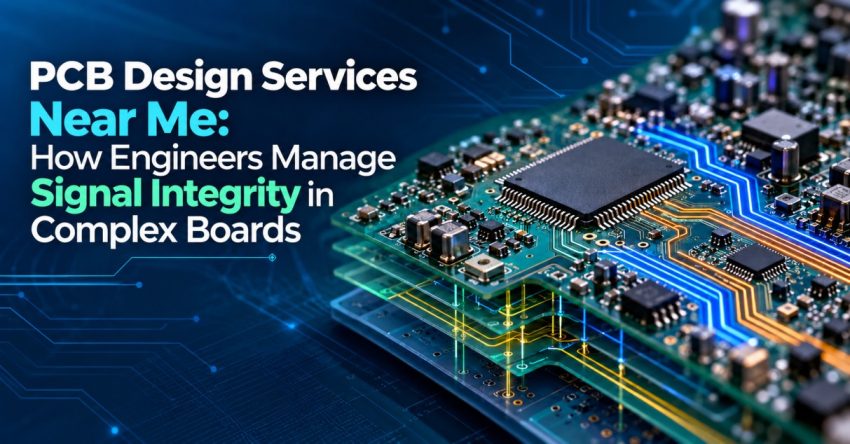
PCB Design Services Near Me: How Engineers Manage Signal Integrity in Complex Boards
The design of PCBs is increasingly complex and is now driving an increasing number of signals across smaller areas as electronic products are becoming smaller, faster and more connected. Signal integrity can be an important factor to consider in high-speed interfaces, dense component layouts, and multilayer architectures. When considering a technical design partner, understanding how…
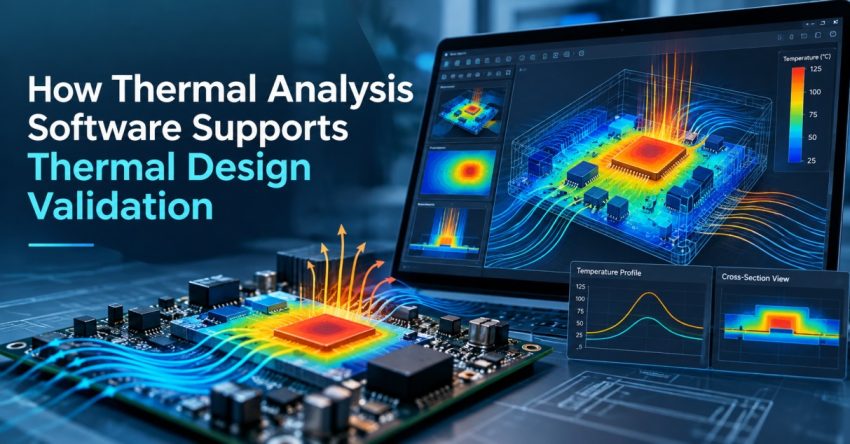
How Thermal Analysis Software Supports Thermal Design Validation
The thermal performance may affect reliability, efficiency and service life of engineered products. Excessive high temperature exposure may cause accelerated ageing, material deterioration or performance variations in components. Therefore, thermal validation should start as early as possible before a product undergoes physical testing. Thermal analysis software allows engineers to model the heat behaviour, test for design…
PCB Manufacturing Companies in India: Manufacturing Challenges for High-Frequency Applications
Printed circuit boards have to meet requirements that exceed traditional manufacturing requirements for use in high frequency electronic systems. For telecommunications, radar, satellite systems, wireless communications, auto sensing and advanced test equipment, frequencies provide a space where slight differences in materials, size or manufacturing may be the difference between the required signal performance and failure….
Arc Flash Risk Reduction: Engineering Controls That Can Lower Exposure
An ARC flash is an electrical safety issue that may occur in case there is an inadvertent electrical connection between conductors that form an electric arc in the air. In such situations, the heat, pressure, light, and molten materials created by the electric arc may pose great hazards for those operating or working nearby. However, for…
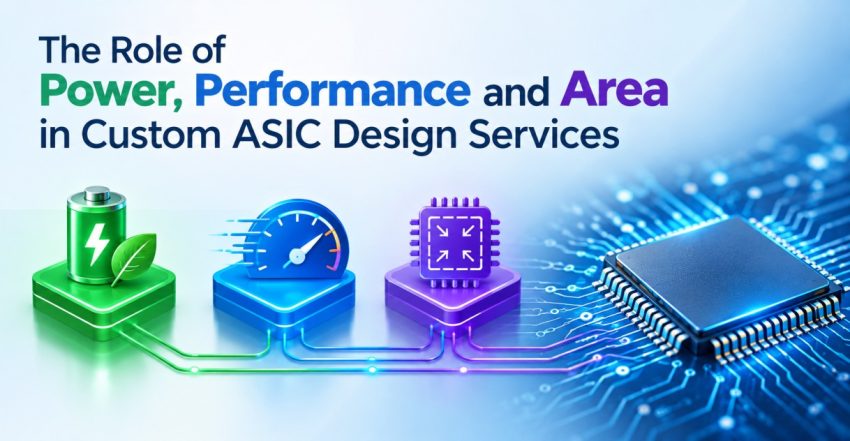
The Role of Power, Performance and Area in Custom ASIC Design Services
The design of a chip is not just a question of having to perform a certain function. Engineers need to also decide its speed, the amount of energy it can use and the amount of physical space it can take up. In custom ASIC design services, these three considerations are called Power, Performance and Area…
Engineering the Shield: How Vendor-Neutral Integration Eradicates Technical Debt in Defense SOCs
Defense organizations don’t get to hit pause and rebuild. A national security network can carry decades of infrastructure — systems that took years to accredit, that mission-critical operations depend on every hour of every day, and that simply cannot be switched off for a rip-and-replace overhaul. This reality is exactly why so many Security Operations…
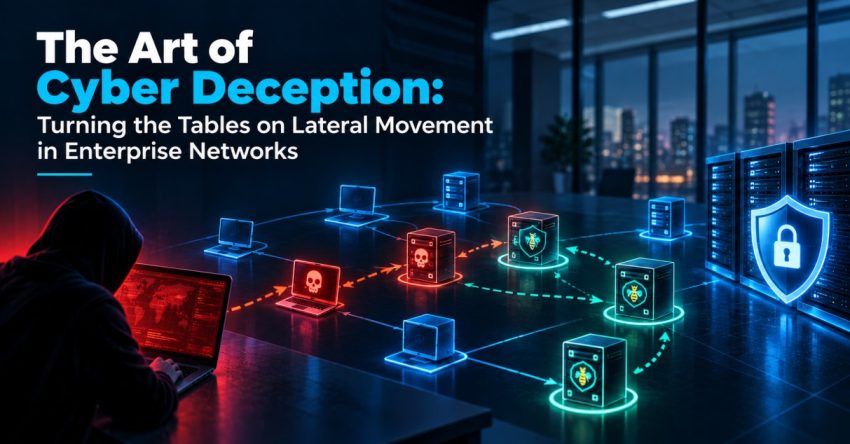
The Art of Cyber Deception: Turning the Tables on Lateral Movement in Enterprise Networks
The intrusion does not stop at the firewall; it starts there. If the hacker gets through the network perimeters or has managed to obtain a set of valid credentials, the next phase is much more difficult to detect: it is about silently roaming around the network, elevating privileges, and searching for the valuable resources within…
What the Data Leak in Banking Institution Teaches Organizations about Identity Security
Cyberattacks usually do not begin with any fancy hacking methods. Most likely, the attack starts with a hacked identity, whether in the form of a stolen password, phishing, or an employee’s email compromise. In a recently reported incident pertaining to data breach at a leading PSU bank in India, there is a clear indication that…