
There are a number of steps in the development of an electronic product, ranging from design of the circuit to selection of the suitable components, prototyping, testing and manufacturing. Any changes to the launch schedule or added development costs can be caused by delays at any point in the process. With a well-planned printed circuit…
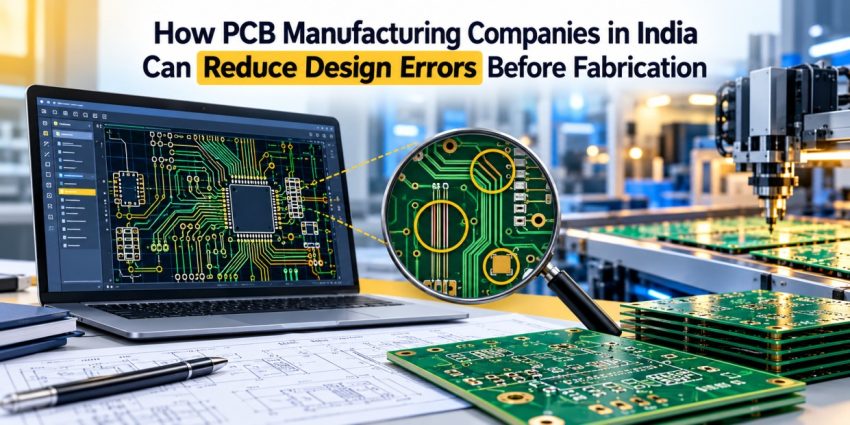
How PCB Manufacturing Companies in India Can Reduce Design Errors Before Fabrication
Design errors in a Printed Circuit Board (PCB) can cause revisions to be repeated and the development of the product to be longer and more expensive. These are some of the issues that must be identified prior to fabrication in a business developing complex electronic systems to maintain the product quality and meet the performance…
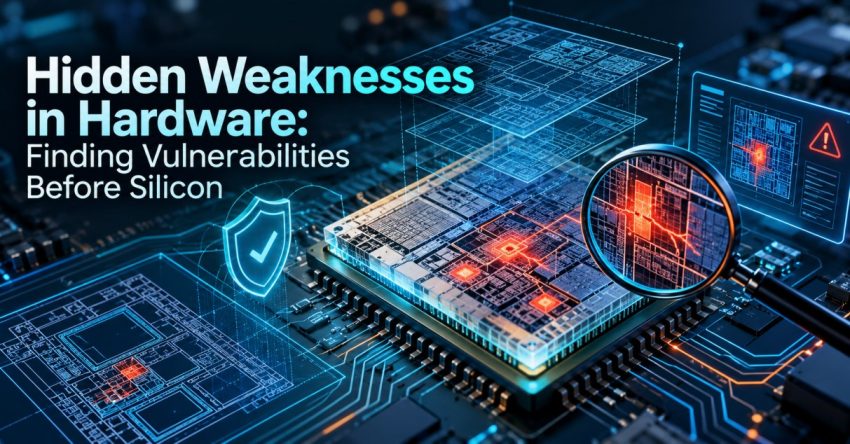
Hidden Weaknesses in Hardware: Finding Vulnerabilities Before Silicon
The working of modern electronic devices requires elaborate hardware architectures. Vulnerabilities in hardware are not just limited to security issues of software but are also seen in applications like automobiles, communication, medical systems, and satellites. Thus, it becomes very essential to detect these flaws even before the device is manufactured, and this is an integral…
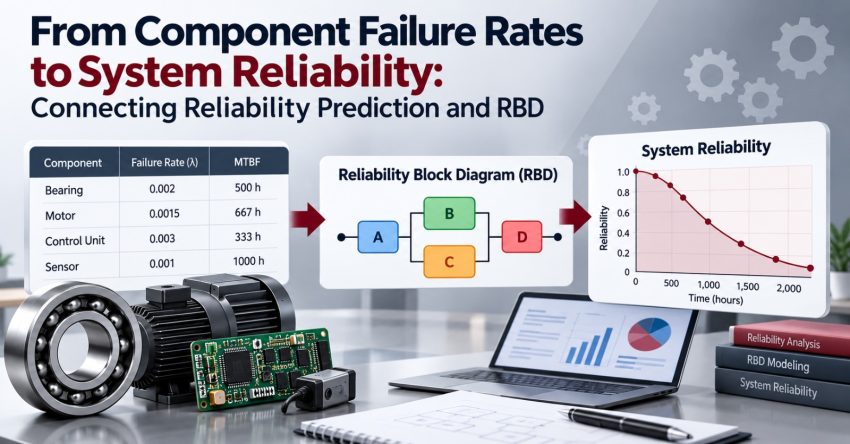
From Component Failure Rates to System Reliability: Connecting Reliability Prediction and RBD
A product’s reliability depends on more than the performance of its individual components. A product whose components have attained the required level of reliability could exhibit some peculiarities when the way they work together is considered. Therefore, it is crucial to get an understanding of this relationship for better design and performance. Reliability Prediction and…
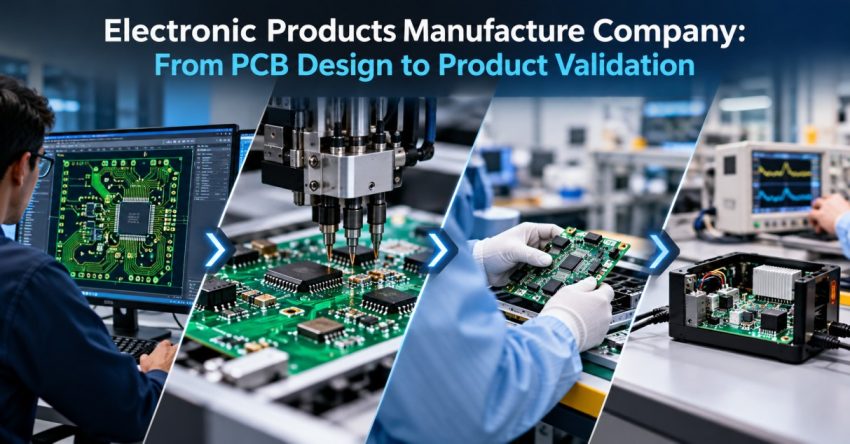
Electronic Products Manufacture Company: From PCB Design to Product Validation
It takes more than component assembly and a circuit board to develop a reliable electronic product. All phases of the process from initial design through to final validation have an impact on how the product will behave in real world applications. When designing an electronic product, an electronic products manufacture company will need to rely…
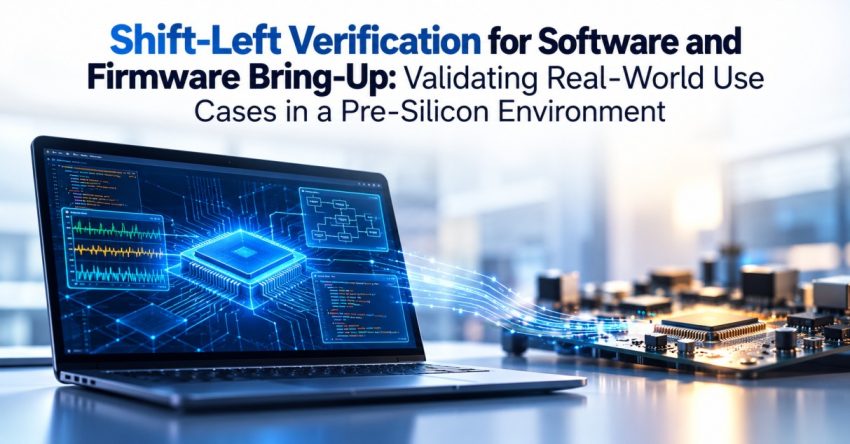
Shift-Left Verification for Software and Firmware Bring-Up: Validating Real-World Use Cases in a Pre-Silicon Environment
Since semiconductor designs now increasingly depend on software and firmware, hardware verification is not sufficient to ensure a chip ready for successful deployment. Teams require assurance about correct interactions between the firmware, drivers, and applications and the hardware. Shift left verification will move these activities to occur earlier in the development process so that real-world…
Closing the Silicon Verification Gap: How Formal Verification, Dynamic Simulation and AI Agents Can Work Together to Accelerate Tapeout
Because semiconductor design is growing larger and more complex, verification is one of the most challenging phases of the semiconductor design process. Traditional methods of verification are challenged by the growing complexity of design interactions, higher levels of functionality and shorter timelines to deliver full confidence within a reasonable time. Closing the silicon verification gap…
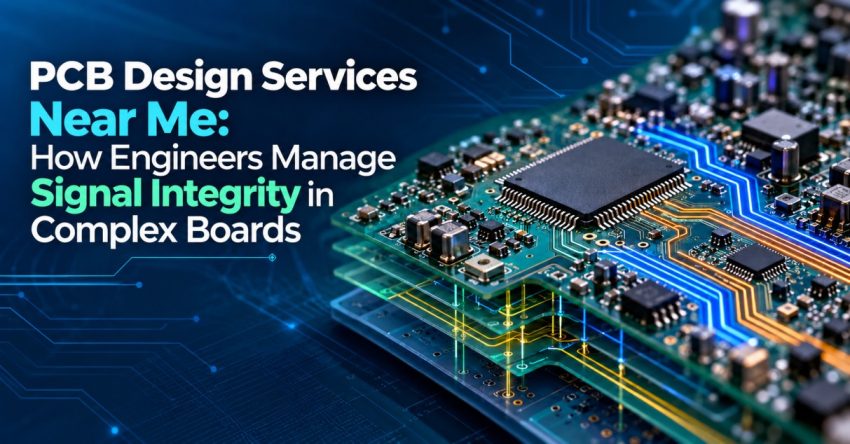
PCB Design Services Near Me: How Engineers Manage Signal Integrity in Complex Boards
The design of PCBs is increasingly complex and is now driving an increasing number of signals across smaller areas as electronic products are becoming smaller, faster and more connected. Signal integrity can be an important factor to consider in high-speed interfaces, dense component layouts, and multilayer architectures. When considering a technical design partner, understanding how…
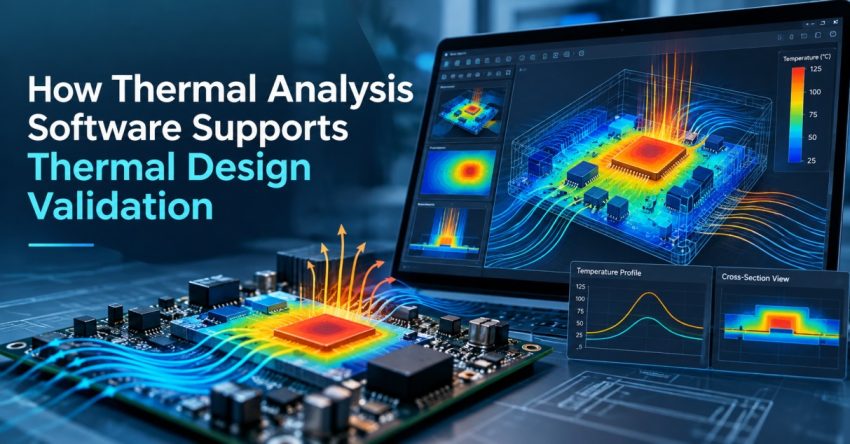
How Thermal Analysis Software Supports Thermal Design Validation
The thermal performance may affect reliability, efficiency and service life of engineered products. Excessive high temperature exposure may cause accelerated ageing, material deterioration or performance variations in components. Therefore, thermal validation should start as early as possible before a product undergoes physical testing. Thermal analysis software allows engineers to model the heat behaviour, test for design…
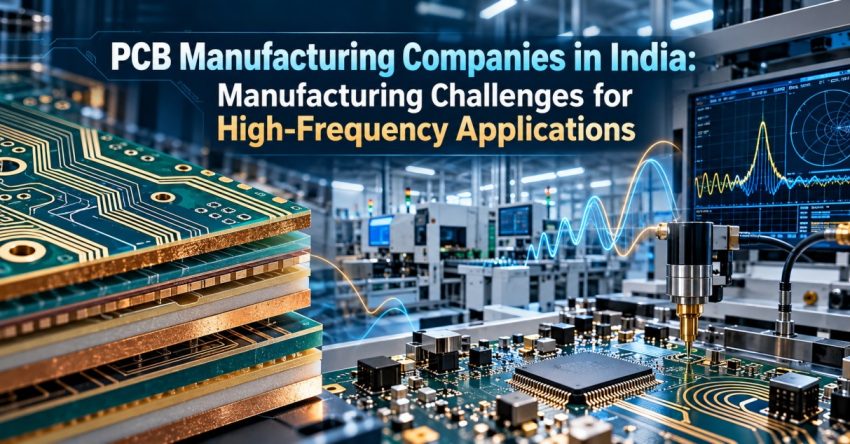
PCB Manufacturing Companies in India: Manufacturing Challenges for High-Frequency Applications
Printed circuit boards have to meet requirements that exceed traditional manufacturing requirements for use in high frequency electronic systems. For telecommunications, radar, satellite systems, wireless communications, auto sensing and advanced test equipment, frequencies provide a space where slight differences in materials, size or manufacturing may be the difference between the required signal performance and failure….