
Defense organizations don’t get to hit pause and rebuild. A national security network can carry decades of infrastructure — systems that took years to accredit, that mission-critical operations depend on every hour of every day, and that simply cannot be switched off for a rip-and-replace overhaul. This reality is exactly why so many Security Operations…
Category: Cybersecurity
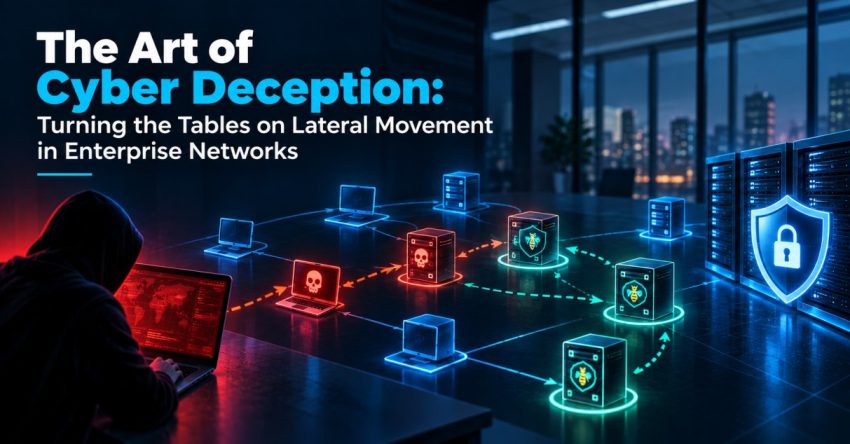
The Art of Cyber Deception: Turning the Tables on Lateral Movement in Enterprise Networks
The intrusion does not stop at the firewall; it starts there. If the hacker gets through the network perimeters or has managed to obtain a set of valid credentials, the next phase is much more difficult to detect: it is about silently roaming around the network, elevating privileges, and searching for the valuable resources within…
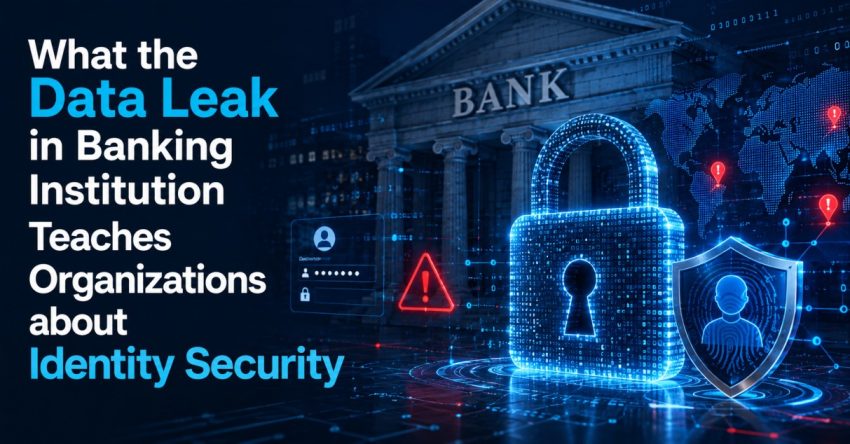
What the Data Leak in Banking Institution Teaches Organizations about Identity Security
Cyberattacks usually do not begin with any fancy hacking methods. Most likely, the attack starts with a hacked identity, whether in the form of a stolen password, phishing, or an employee’s email compromise. In a recently reported incident pertaining to data breach at a leading PSU bank in India, there is a clear indication that…
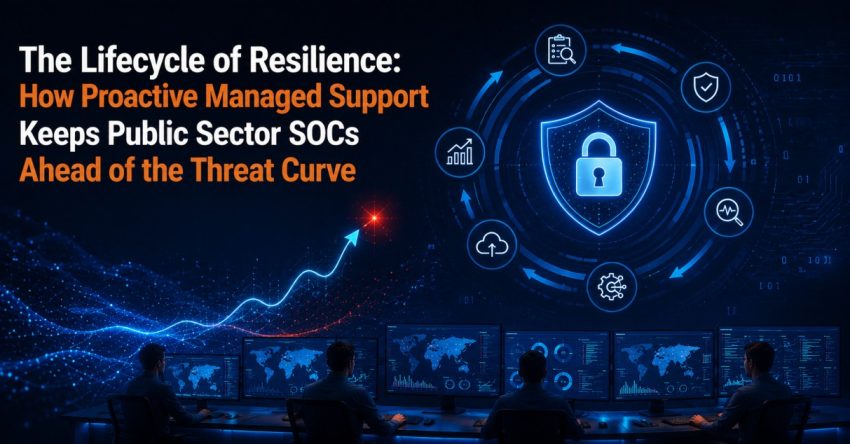
The Lifecycle of Resilience: How Proactive Managed Support Keeps Public Sector SOCs Ahead of the Threat Curve
For public sector organizations, the creation of a Security Operations Centre (SOC) is not a one-off temporary solution; rather it is a long-term cybersecurity journey. Threats are continually changing, security technologies must be continually tuned for success, and infrastructure needs to be continually adjusted for operation. Even if a SOC is created to handle rigorous…
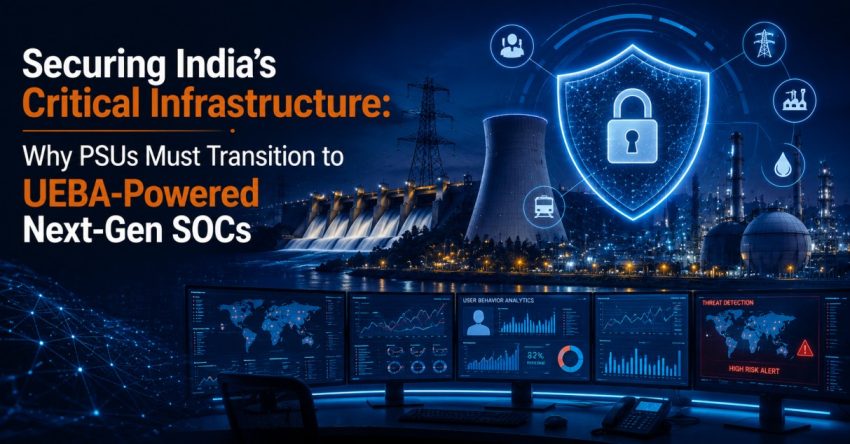
Securing India’s Critical Infrastructure: Why PSUs Must Transition to UEBA-Powered Next-Gen SOCs
The digital infrastructure facility is one of the most important in India that is managed through public sector enterprises (PSUs).In areas spanning energy, transportation, banking, telecommunications, manufacturing and more, these organizations are responsible for systems that can have repercussions that extend beyond the loss of data. Traditional, rule-based security systems are failing to detect realistic…
Why Cybersecurity Is Important for Modern Businesses
There have been a lot of changes caused by the digital revolution. Nowadays, technology affects the way business is conducted through cloud computing, online activities, and working remotely. All these processes are efficient, but at the same time, they put companies at risk for any kind of cyber attack. Hence, it is wise to invest…