
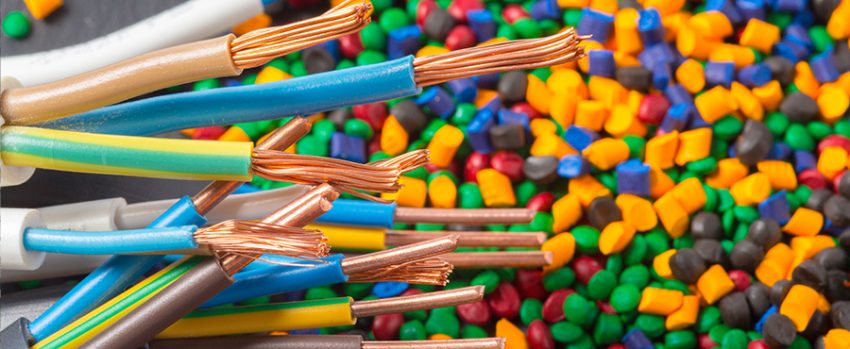
When designing or maintaining any electrical installation, one crucial consideration is the cable current carrying capacity—the maximum amount of electrical current a cable can safely conduct without overheating. This capacity is not a fixed value; instead, it varies based on several environmental and design-related factors. Engineers and electricians must account for these variables to ensure safe, efficient, and code-compliant systems.
Here are the top factors that significantly influence cable current carrying capacity in electrical installations:
Conductor Material
The material used for the cable conductor—typically copper or aluminum—has a direct effect on its current carrying capability. Copper has better electrical conductivity than aluminum, which means a copper cable can carry more current than an aluminum cable of the same size. However, copper is also heavier and more expensive, so the choice often balances performance and budget.
Cable Size (Cross-Sectional Area)
The large cross-sectional area of conductor leads to low electrical resistance and high cable current carrying capacity. A thicker cable generates less heat for the same amount of current and can therefore handle a higher load. Choosing the right cable size is essential to prevent excessive voltage drop and potential overheating.
Ambient Temperature
Cables dissipate heat into their surroundings. If the ambient temperature is high, it becomes harder for the cable to cool down, effectively reducing its current carrying capacity. For example, a cable operating in a hot engine room or near industrial machinery will have a lower safe current rating than one installed in a climate-controlled environment.
Installation Method
How a cable is installed—whether in open air, conduit buried underground or enclosed within walls—affects its ability to dissipate heat. A cable exposed to air cools more efficiently than one buried in insulation or installed in a tight conduit. Installations that restrict heat dissipation require a derated cable current carrying capacity to maintain safety.
Cable Grouping
A group of cables that are bunched up together (like in a tray or conduit) are going to generate more heat together. This heating effect, on both oil cables, restricts the current carrying capacity of each cable. When this is done, derating factors have to be set up, as given in the normal wiring regulations, to adjust the current capability of each cord in the gaggle.
Quality and Type of Insulation
The materials of this insulation and their heat rating would establish the level of heat that the cable can endure without starting to deteriorate. An example is that XLPE (Cross-linked Polyethylene) insulation is housed at a higher temperature than PVC (Polyvinyl Chloride) so that the cable current carrying capacity will be greater than a similar sized conductor.
Conclusion
Being knowledgeable about the differences between different factors affecting current carrying capacity of cables is vital to the electrical professional charged with the safe design and operation of a system. Failure to observe all the mentioned factors may lead to overheating, insulation failure and even fire. Effects of conductor type, installation environment, insulation and grouping thus allow engineer to ensure that cables operate efficiently and safely in practice.