
There are many instances of printed circuit boards (PCB) that have passed all of the basic Design Rule Checks (DRC) but still have issues when the power is turned on. With higher data rates and faster electrical signal switching, just routing is not enough to ensure reliable electrical performance. For high speed PCB design, signal…
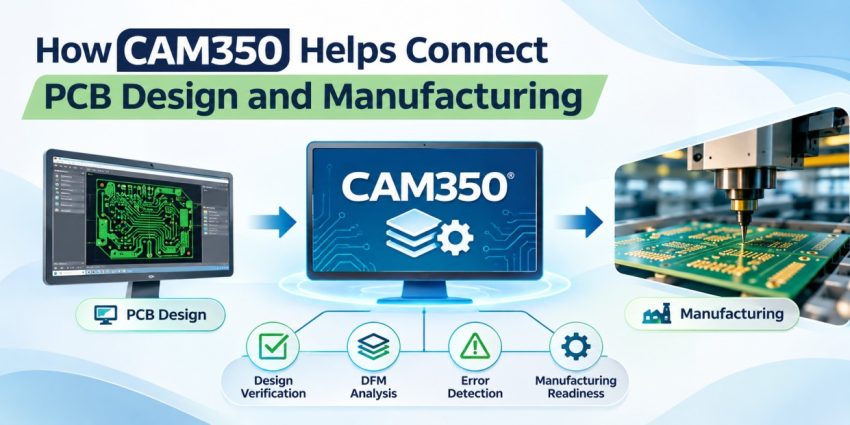
How CAM350 Helps Connect PCB Design and Manufacturing
A printed circuit board (PCB) can be perfect on the design stage but may cause some difficulties while manufacturing. With shrinking of boards, the addition of new layers, fine pitch devices and advanced via structures, a small mistake in data can result in delays, loss of materials and costs. The question is how to make…
Choosing the Right Solver in FEKO: MoM, MLFMM, FEM and High-Frequency Methods
Electromagnetic simulation is more challenging for antenna design as size, frequency, and materials increase. Several solutions are provided by Altair Feko such as Method of Moments (MoM), Multilevel Fast Multipole Method (MLFMM), Finite Element Method (FEM), and high frequency techniques. Solver choice varies depending on the electromagnetic problem, electrical size, materials, required accuracy, and available…
How PCB Design Services Near Me Can Help Reduce Product Development Time
There are a number of steps in the development of an electronic product, ranging from design of the circuit to selection of the suitable components, prototyping, testing and manufacturing. Any changes to the launch schedule or added development costs can be caused by delays at any point in the process. With a well-planned printed circuit…
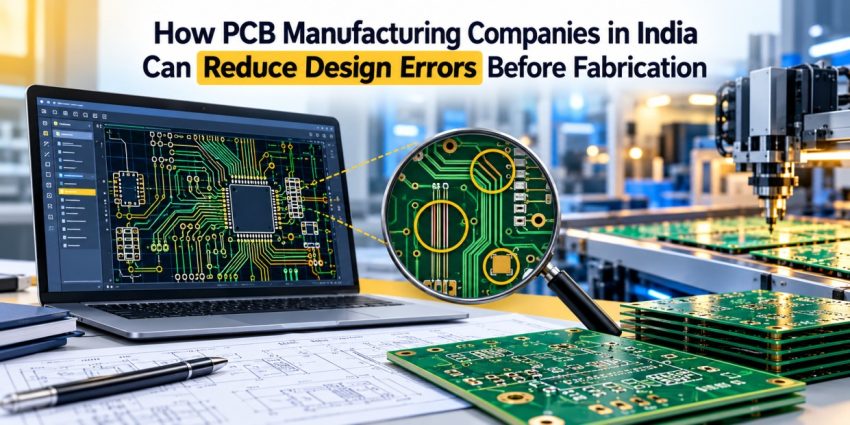
How PCB Manufacturing Companies in India Can Reduce Design Errors Before Fabrication
Design errors in a Printed Circuit Board (PCB) can cause revisions to be repeated and the development of the product to be longer and more expensive. These are some of the issues that must be identified prior to fabrication in a business developing complex electronic systems to maintain the product quality and meet the performance…
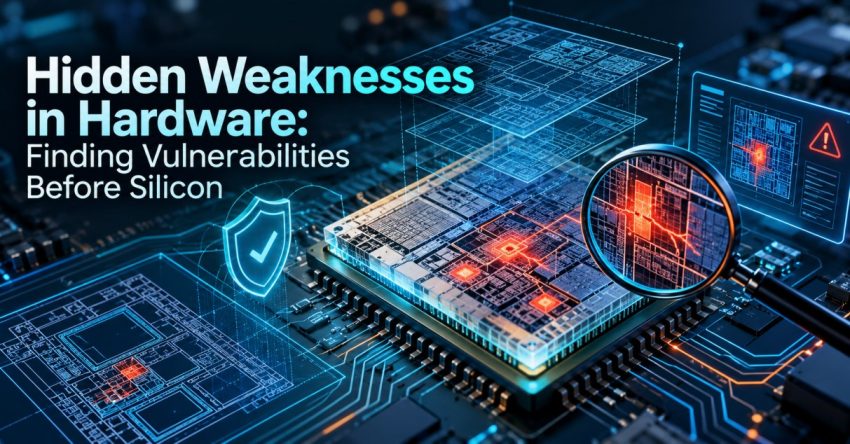
Hidden Weaknesses in Hardware: Finding Vulnerabilities Before Silicon
The working of modern electronic devices requires elaborate hardware architectures. Vulnerabilities in hardware are not just limited to security issues of software but are also seen in applications like automobiles, communication, medical systems, and satellites. Thus, it becomes very essential to detect these flaws even before the device is manufactured, and this is an integral…
From Component Failure Rates to System Reliability: Connecting Reliability Prediction and RBD
A product’s reliability depends on more than the performance of its individual components. A product whose components have attained the required level of reliability could exhibit some peculiarities when the way they work together is considered. Therefore, it is crucial to get an understanding of this relationship for better design and performance. Reliability Prediction and…
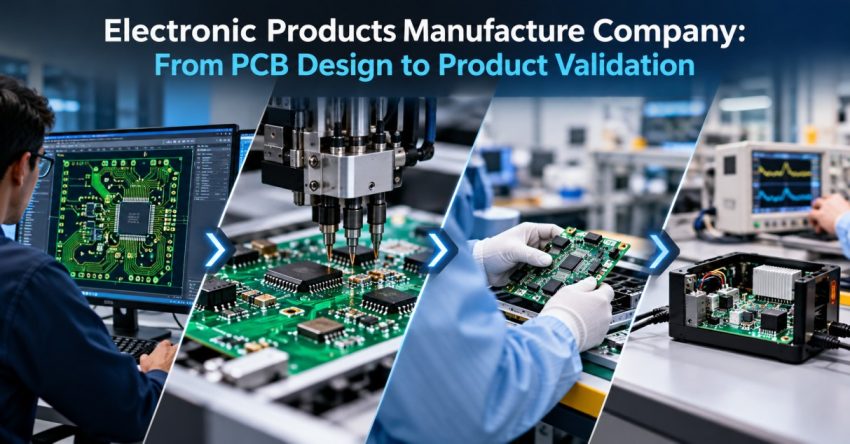
Electronic Products Manufacture Company: From PCB Design to Product Validation
It takes more than component assembly and a circuit board to develop a reliable electronic product. All phases of the process from initial design through to final validation have an impact on how the product will behave in real world applications. When designing an electronic product, an electronic products manufacture company will need to rely…
Shift-Left Verification for Software and Firmware Bring-Up: Validating Real-World Use Cases in a Pre-Silicon Environment
Since semiconductor designs now increasingly depend on software and firmware, hardware verification is not sufficient to ensure a chip ready for successful deployment. Teams require assurance about correct interactions between the firmware, drivers, and applications and the hardware. Shift left verification will move these activities to occur earlier in the development process so that real-world…
Closing the Silicon Verification Gap: How Formal Verification, Dynamic Simulation and AI Agents Can Work Together to Accelerate Tapeout
Because semiconductor design is growing larger and more complex, verification is one of the most challenging phases of the semiconductor design process. Traditional methods of verification are challenged by the growing complexity of design interactions, higher levels of functionality and shorter timelines to deliver full confidence within a reasonable time. Closing the silicon verification gap…