
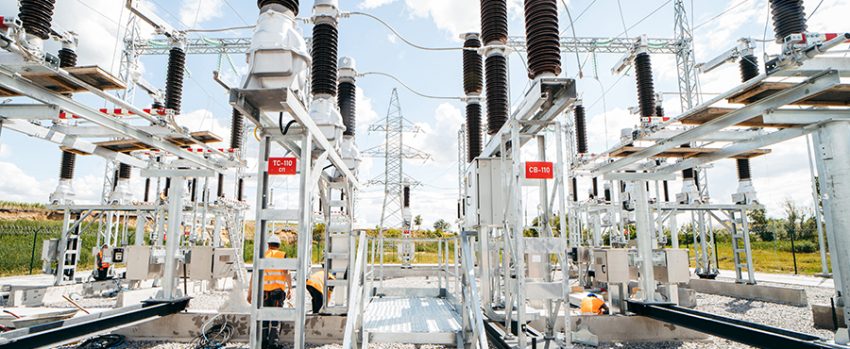
Power distribution engineering design plays a vital role in delivering electricity safely and reliably from substations to end-users. As power systems become more complex with the integration of renewable energy, electric vehicles, and smart technologies, ensuring compliance with regulatory and safety standards becomes increasingly important. These standards serve as the backbone for designing systems that are efficient, secure, and legally compliant. This blog highlights the key regulatory and safety considerations involved in power distribution engineering design.
Importance of Regulatory Compliance
Before distribution of power can begin, the designs must obey many local, national and international laws. Many authorities set mandatory requirements for the design of electrical distribution systems. These laws make certain that use of design will be safe and functional. Not following regulations may lead to strong penalties, greater risks and harm to life and possessions.
System Safety and Human Protection
Safety is the most important aspect in power distribution engineering design. Engineers always need to protect the safety of everyone who uses or works with their products. This coverage also helps guard against effects of shocks, short circuits, fire dangers and equipment failures. The design process always includes suitable earthing, circuit breakers, surge protectors, and insulation materials. The guidelines include rules for heights of overhead lines, grounding systems and mechanisms that turn on when operations are abnormal.
Standardization of Equipment and Materials
Designers in power distribution engineering must also ensure standardized equipment is used. The types of wirings, transformers, switching systems and safety devices are covered in each set of regulations. It is important that these parts are examined and approved as they meet performance requirements. If all systems are standardized, they will function together smoothly, be easier to maintain and last longer and safer.
Design Documentation and Testing Protocols
Properly designed power distribution systems are supported by carefully detailed schematics, specifications and design work. Authority bodies usually call for detailed paperwork before giving approval to a project. A good installation is not complete until testing is done. System integrity is verified by conducting load testing, insulation resistance testing and fault simulations. Following these processes ensures the system is up to regulations and makes it easier to catch and fix errors found at design stage.
Adaptability to Evolving Regulations
Power distribution engineering should easily respond to upcoming changes in regulations. When meters, automation and renewables smart are combined with power distribution systems, new safety codes and rules for power grids are needed. To guarantee their designs are useful today and tomorrow, engineers should be aware of the latest guidelines.
Conclusion
Effective power distribution engineering design depends on following relevant safety and regulatory rules. Engineers manage every step in the design, from choosing material, designing various parts and testing through to commissioning. Compiling in these norms defends the infrastructure, keeps people safe and ensures a working power network. Now that technology is progressing, it is more important than ever for these standards to guide sustainable and safe power system designs.