


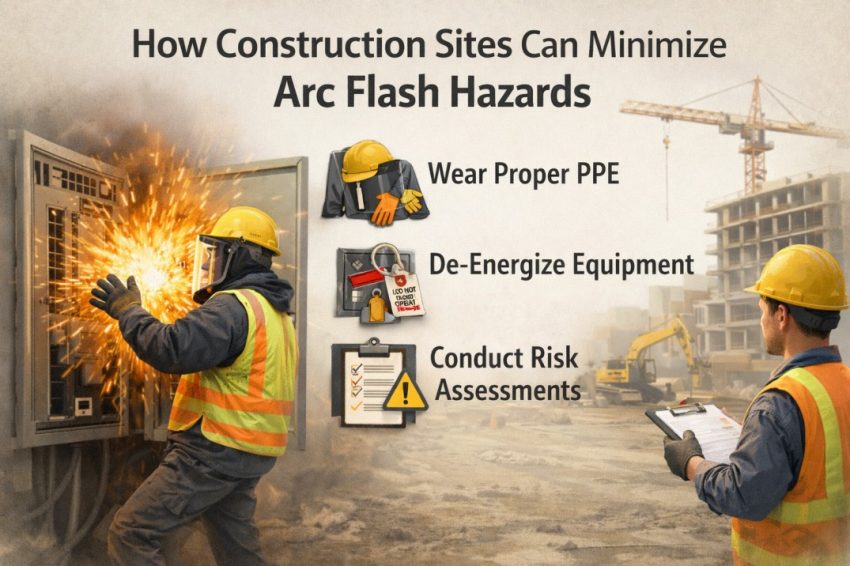
Construction sites are hectic places where several electrical systems are installed, used for different purposes and modified. Although this advancement is necessary to complete the project, it also puts pressure on the probability of electrical accidents, particularly arc flash accidents. They may lead to severe injuries, damage of equipment, and delays of the project. Learning on how to handle arc flash hazards is essential in ensuring safety and efficiency at the workplace.
Familiarizing yourself with Arc Flash Hazard in Building
Arc Flash is the result of the abrupt discharge of energy in the air by an electrical fault. Temporary wiring, exposed panels and regular handling of equipment on construction sites make them more likely to cause such faults. Employees could be unaware that they work around the live circuits and they can be exposed to the high temperatures and pressure waves due to arc flash incidences.
Early identification of such risks assists teams in making preventive measures prior to occurrence of accidents.
Making Proper Risk Assessments
Conducting detailed risk assessment is one of the best methods to minimize Arc Flash hazards. Prior to commencing any electrical work, sites must consider any possible points of faults, equipment states, and exposures.
An arc flash study can be used to determine the areas of hazard and the safe working distances. This enables the workers to know where to be cautious and what safety precautions to take when performing the operations.
Using the Right Personal Protective Equipment
PPE is a significant factor in reducing the effect of arc flash occurrences. Electrical system workers must put on proper equipment like flame resistant clothing, Gloves that are insulated, and face shields.
The right PPE will make sure that, even in the event of an Arc Flash, the injuries can be minimized. Checks should also be regularly carried out to make sure that all the equipment is in proper condition and appropriate to the task.
Assurance of adequate Training and Awareness
Electrical accidents in construction sites due to lack of awareness are a common occurrence. Untrained workers would be exposing themselves to the risks of arc flash.
Training of the workers on safe practices, hazard identification and emergency response should be done regularly. The well-informed teams have a greater probability of adhering to safety protocols and not engaging in risky behavior.
Sustaining Electrical Systems and Equipment
The biggest cause of arc flash incidents is poorly maintained equipment. Loose connections, bad insulation, and faulty parts can promote electrical fault.
Consistent checking and maintenance of electrical systems will assist in detecting problems before they occur to be a serious hazard. Maintaining equipment in a good state does not only enhance safety, but also facilitates the smooth implementation of the projects.
Adopting Open Safety Measures
Proper and defined safety protocols are key to reducing Arc Flash risks. There must be some guidelines on how to work on or around electrical systems in construction sites.
This involves lockout and tagout practices, appropriate signages, and limited access to the high-risk zones. Accidental exposure to safety rules is greatly minimized when the rules are well communicated and enforced.
Planning for Emergency Response
Emergency preparedness is critical, even where preventive measures are taken. Response plans at the construction sites should be developed in case of arc flash incident.
The presence of easy access to first aid, trained staff, and emergency contacts can go a long way in minimizing the effects of an accident. Being prepared helps one to contain situations effectively without panic.
Conclusion
The arc flash management in construction sites involves planning, training and the use of appropriate equipment. Through risk assessment, system maintenance and safety measures, the chances of electrical incidents can be greatly minimized by construction teams.
Such an active method will not only secure the safety of workers but also make sure that projects are not interrupted due to unjustified reasons. The concern of arc flash safety is not only a need, but also a duty in a high-risk area such as the construction industry.
Also Read: Understanding Customization by Electronic Products Manufacture Company