


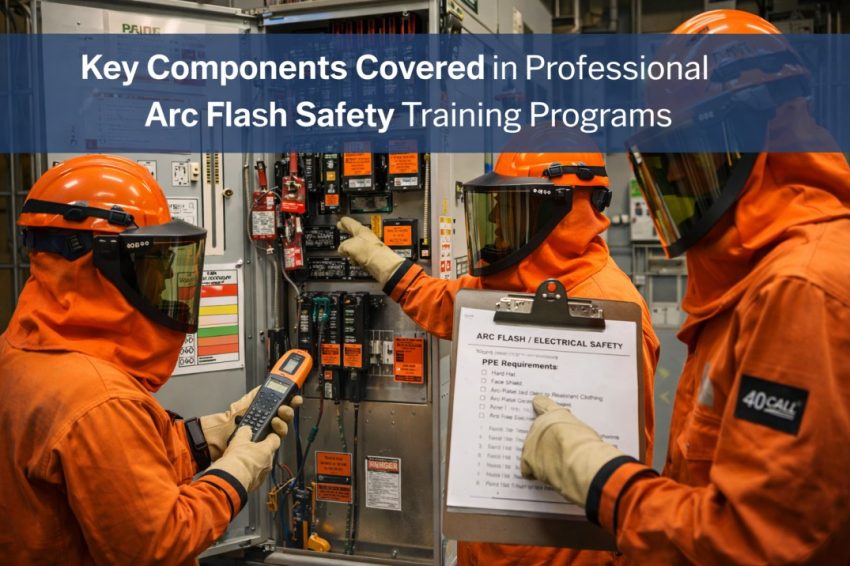
Electrical hazards are among the most serious risks in industrial and commercial environments. Professional safety training programs are designed to educate workers, supervisors, and safety managers about handling high-risk electrical situations effectively. These programs focus on practical knowledge, preventive measures, and regulatory compliance to reduce workplace accidents and injuries. Understanding the key elements included in such programs helps organizations create a safer and more productive work environment.
Understanding Electrical Hazard Awareness
One of the primary components of professional training is developing awareness about potential electrical dangers. Participants are taught how electrical energy behaves and how sudden releases of energy, including Arc Flash, can create life-threatening conditions. Training sessions explain the causes of electrical incidents, common workplace risk areas, and the importance of following safe operating procedures. This foundational knowledge helps workers recognize hazards before they escalate into serious incidents.
Hazard Identification and Risk Recognition
The second component of training is the identification of electrical systems and equipment hazards. Employees are taught to inspect panels, switchgear and wiring systems in order to identify possible areas of danger. A particular focus is on identifying the situations which can result in Arc Flash, including damaged insulation, loose connections or improper maintenance. Knowing these warning signs, employees are able to act in advance and report unsafe condition in time which helps to decrease the risks of accidents to a great extent.
Use of Personal Protective Equipment (PPE)
Personal protective gear is highly important in the protection of the workers against serious electrical shocks. Training sessions teach the participants on how to choose, check and utilize protective attire, gloves, helmets and face masks. Employees are educated on the PPE ratings and restrictions, particularly when dealing with environments where Arc Flash hazards might occur. Correct use of PPE reduces the severity of injuries and also the safety standards in work places are met.
Risk Assessment and Safety Planning
Professional training is also based on the proper risk assessment to be conducted prior to the execution of electrical work. The participants are taught to assess possible hazards, calculate the safety boundaries, and set the control measures. Training includes safety labelling, classifying hazards and the significance of documentation. The workers are guided on how to develop safety measures in line with the regulatory provisions such as measures to prevent Arc Flash occurrences. This is a methodical means of making sure that risks are properly taken care of prior to getting down to work.
Safe Work Practices and Compliance Standards
Training focuses on safe working practices that can minimize exposure to electrical hazards. Employees are trained on appropriate lockout/tagout, equipment inspection and safe maintenance techniques. Compliance with safety regulations and guidelines in the industry are also brought to the fore by these programs. Safety at work should be observed through organized work routines to ensure that the employees are safe during the execution of complicated electrical jobs, reducing the likelihood of Arc Flash and related hazards.
Emergency Response and Incident Management
The other important element of professional training is preparing the workers so that they can be able to respond effectively during emergencies. In case of electrical accidents, employees are trained on how to administer first-aid, evacuation and reporting. Training involves practical exercises that enable workers to be calm and react promptly in any unexpected events such as Arc Flash. Good emergency response training will save lives and mitigate the consequences of accidents at the workplace.
Conclusion
Professional electrical safety training programs are designed to equip employees in the workplace with extensive knowledge and work skills required to avoid electrical hazards at the workplace. These programs have resulted in a robust safety culture by prioritizing the identification of hazards, protective equipment, risk assessment, safe working practices, and emergency management. Structured training is a great investment in any organization because it not only serves as protection for the employees but also improves the efficiency and compliance with regulations.
Also Read: Major Hazards for Which Arc Flash Assessment is Needed?